
Popular Land Clearing Tools For Heavy Duty Projects
Discover the most effective equipment designed to handle tough terrain and large-scale land clearing tasks with ease.
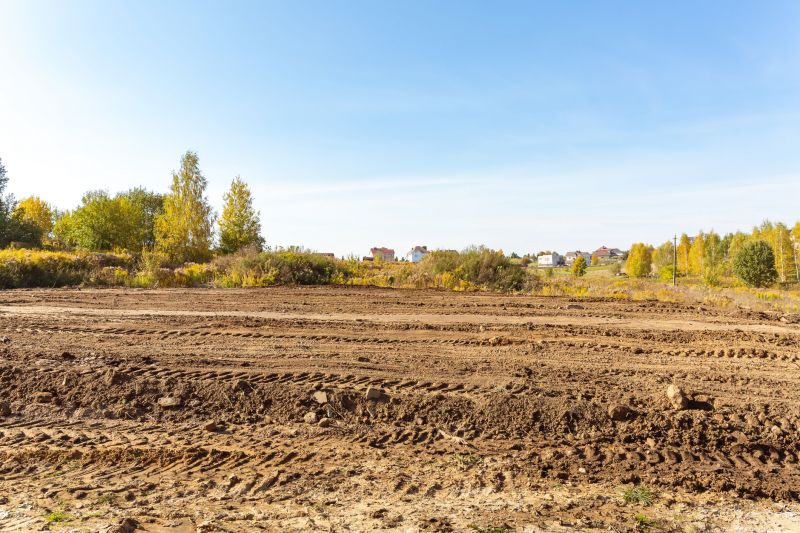 Land clearing is a fundamental step in preparing sites for construction, agriculture, or development projects. It involves removing trees, shrubs, rocks, and other obstacles to create a usable and accessible space. The process can vary widely depending on the scale of the project, the terrain, and the specific goals of the landowner or contractor. Selecting the right tools and equipment is essential to ensure efficiency, safety, and the quality of the cleared land.
Types of Products For Land Clearing Service
Brush Cutters and Clearing Saws
Handheld or powered brush cutters are used for cutting thick brush and small trees, providing precision in clearing overgrown areas.
Chainsaws
Chainsaws are essential for cutting down trees and trimming branches, suitable for various sizes of timber and vegetation.
Skid Steer Attachments
Attachments such as mulchers, grapples, and rakes for skid steers enhance land clearing capabilities by enabling heavy-duty tasks.
Excavator Attachments
Hydraulic attachments for excavators, including tree shears and pulverizers, facilitate efficient removal of large trees and debris.
Stump Grinders
Stump grinders are used to remove tree stumps effectively, preparing the land for future use.
Land Clearing Machines
Heavy machinery like bulldozers and track loaders are capable of clearing large areas quickly and efficiently.
Tree Shears
Hydraulic tree shears enable safe and efficient tree removal, especially for large or hazardous trees.
Rippers and Grabs
Heavy-duty rippers and grabs are used to break up rocky terrain and remove large debris or fallen trees.
Hydraulic Hammers
Hydraulic hammers assist in breaking concrete, rocks, and other hard materials during site preparation.
Land Clearing Blades
Specialized blades attached to tractors or loaders help level land and remove surface obstacles.
Debris Chippers
Chippers process brush and small trees into mulch, reducing waste and facilitating land preparation.
Portable Feller Bunchers
These machines are used for efficient tree harvesting and removal over large areas.
Hydraulic Root Rakes
Root rakes help in removing roots and stumps, preparing the land for new construction or planting.
Land Grading Equipment
Graders and leveling machines ensure smooth, even land surfaces after clearing.
Popular Choices
Effective for clearing thick brush and overgrowth in small to medium-sized projects.
Widely used for tree removal and trimming in various land clearing tasks.
Versatile attachments for skid steers that handle dense vegetation and brush.
Popular for removing stubborn stumps to prepare land for development.
Used for safe and efficient removal of large trees in land clearing projects.
Hydraulic attachments that facilitate the removal of large trees and debris.
Processing brush and small trees into mulch remains a popular choice for waste management.
Commonly used to level and prepare land surfaces after clearing activities.
Effective for breaking up rocky terrain and removing large debris.
Preferred for efficient tree harvesting over large areas in commercial land clearing.
Attach to tractors or loaders for surface leveling and obstacle removal.
Different land clearing tasks require a range of products, from handheld tools for small-scale jobs to heavy machinery for large projects. Proper equipment can help reduce labor time and improve safety conditions. It is important to understand the specific needs of your land clearing project to choose suitable products that align with the scope and complexity of the work.
Whether clearing a few acres for a residential development or preparing a large plot for commercial use, having the right equipment can make a significant difference. Factors such as terrain type, vegetation density, and access to power sources influence the selection of tools. Investing in versatile and reliable products can lead to smoother operations and better results, ultimately saving time and effort in the long run.
Key Buying Considerations
- Assess the size and density of vegetation to determine the appropriate equipment type.
- Consider terrain conditions such as rocky, uneven, or soft ground when selecting machinery.
- Evaluate the scale of the project to choose between handheld tools and heavy machinery.
- Determine power source options, including electric, gas, or hydraulic-powered equipment.
- Check compatibility of attachments with existing machinery to maximize versatility.
- Prioritize safety features and ergonomic design to reduce operator fatigue and risk.
- Review maintenance requirements and availability of replacement parts for long-term use.
- Estimate budget constraints and compare the cost-effectiveness of different products.
- Consider environmental factors, such as the presence of sensitive structures or water bodies nearby.
- Look for equipment with adjustable settings to tailor performance to specific tasks.
- Evaluate the ease of transportation and storage, especially for larger machinery.
- Assess operator training requirements to ensure safe and effective use of equipment.
- Check for manufacturer warranties and customer support services.
- Review user feedback and product ratings to gauge reliability and performance.
- Determine the availability of accessories that can enhance the functionality of core equipment.
This page contains affiliate links. We may earn a commission if you make a purchase through these links at no additional cost to you.